

Hey there! As a supplier of Ball Bearing Rail Slides, I often get asked about the special transportation requirements for these nifty little components. So, I thought I'd take a moment to share some insights on this topic.
First off, let's talk about why transportation requirements matter. Ball Bearing Rail Slides are precision-engineered products. They're designed to provide smooth and accurate linear motion, and any damage during transportation can mess up their performance. That's why it's crucial to handle and transport them properly.
Packaging is Key
One of the most important aspects of transporting Ball Bearing Rail Slides is the packaging. We use high-quality packaging materials to ensure that the slides are well-protected during transit. The slides are usually placed in custom-made boxes that are designed to fit them snugly. These boxes are then padded with shock-absorbing materials like foam or bubble wrap to prevent any movement or impact damage.
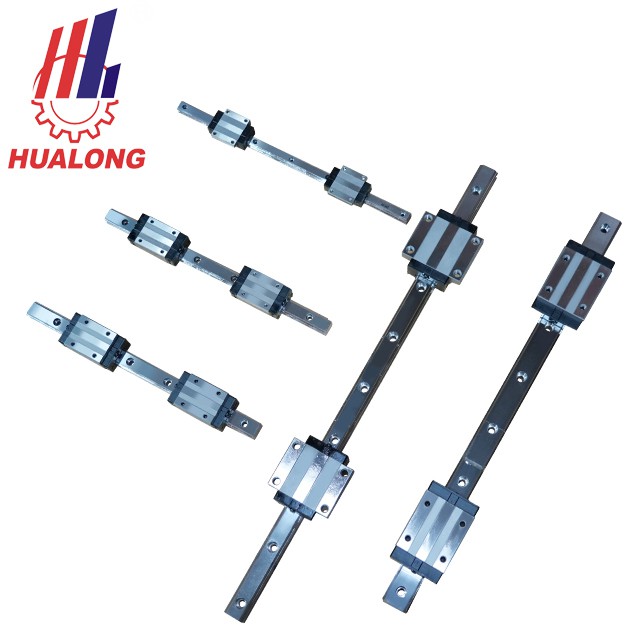

We also label the packages clearly with handling instructions. This helps the shipping carriers to know how to handle the packages properly. For example, we might mark the packages as "Fragile" or "Handle with Care" to ensure that they're not treated roughly.
Shipping Methods
When it comes to shipping Ball Bearing Rail Slides, we have a few options. We can use standard ground shipping for domestic orders, which is usually the most cost-effective option. However, if the customer needs the slides quickly, we can also offer expedited shipping services like air freight.
For international orders, we have to be more careful. We need to make sure that the packages comply with the customs regulations of the destination country. This might involve providing additional documentation or paying import duties. We also need to choose a reliable shipping carrier that has experience in handling international shipments.
Temperature and Humidity
Ball Bearing Rail Slides are sensitive to temperature and humidity. Extreme temperatures can cause the metal to expand or contract, which can affect the performance of the slides. High humidity can also cause corrosion, which can damage the slides.
That's why we take extra precautions to ensure that the slides are shipped in a controlled environment. We might use insulated packaging or temperature-controlled shipping containers to protect the slides from extreme temperatures. We also try to avoid shipping the slides during periods of high humidity.
Special Handling
In some cases, Ball Bearing Rail Slides might require special handling during transportation. For example, if the slides are very large or heavy, we might need to use a forklift or a crane to load and unload them. We also need to make sure that the slides are secured properly during transit to prevent them from shifting or falling.
Transportation Requirements for Related Products
If you're also interested in related products like Ball Guide Rail and Linear Ball Bearing Carriage, the transportation requirements are similar. These products are also precision-engineered and need to be protected during transit.
Why Choose Our Ball Bearing Rail Slides
At our company, we take pride in providing high-quality Ball Bearing Rail Slides. We use the latest manufacturing techniques and materials to ensure that our slides are durable and reliable. We also offer a wide range of sizes and configurations to meet the needs of different customers.
In addition to our high-quality products, we also provide excellent customer service. We're always available to answer any questions you might have about our products or transportation requirements. We can also help you choose the right shipping method and packaging to ensure that your slides arrive safely and on time.
Contact Us for Purchase
If you're interested in purchasing Ball Bearing Rail Slides, we'd love to hear from you. Whether you have questions about transportation requirements, product specifications, or pricing, our team is here to assist you. Just reach out to us, and we'll work with you to find the best solution for your needs.
References
- "Precision Engineering Handbook" - A comprehensive guide on precision components and their handling.
- "Shipping and Logistics Best Practices" - A resource on proper shipping methods and packaging for various products.